
Responsible Travel in Indonesia: What the End of Elephant Riding Means for Tourism
Indonesia's recent decision to end elephant riding at tourism and conservation facilities marks an important milestone in this global shift toward responsible travel. The policy encourages tourism experiences that prioritize animal welfare, conservation, and education rather than entertainment based on direct animal interaction.
6/29/20264 min read
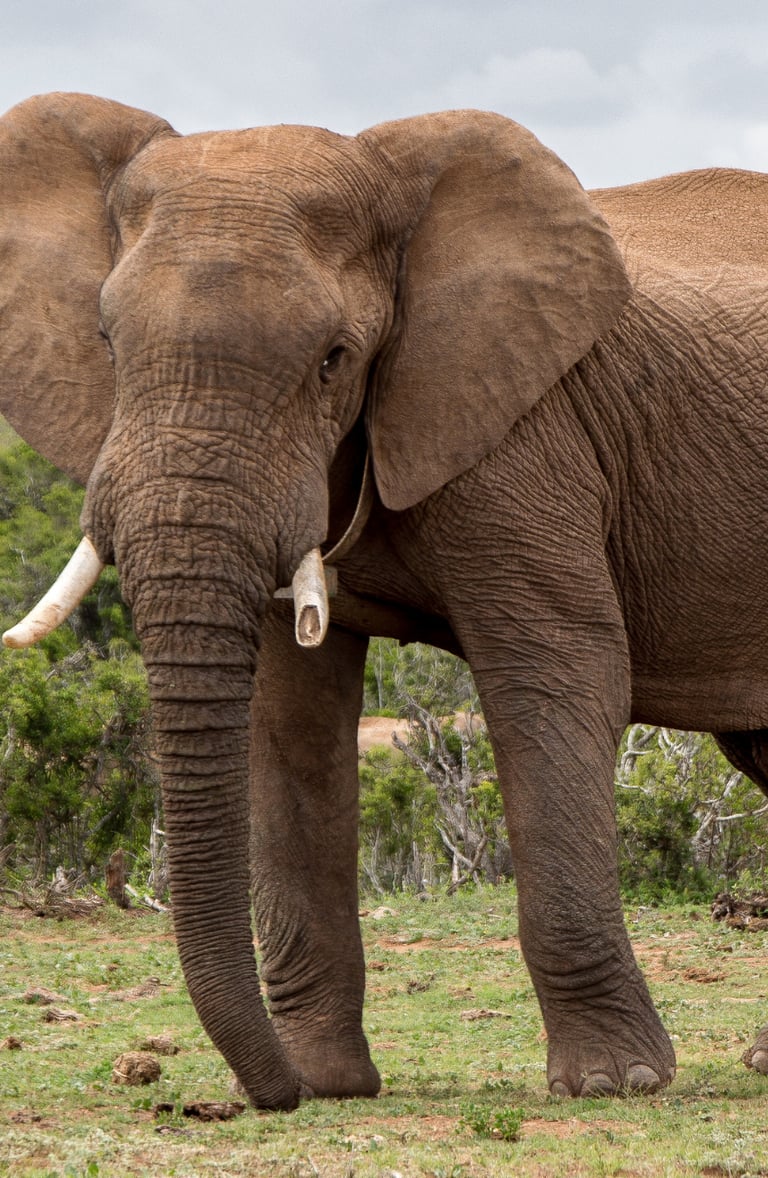
A New Chapter for Wildlife Tourism
For many years, elephant riding was promoted as a unique travel experience across parts of Asia.
However, growing awareness of animal welfare concerns has led governments, conservation organizations, and tourism operators to rethink these practices.
Indonesia's Ministry of Forestry issued a directive requiring tourism and conservation facilities to end elephant riding activities and transition toward more ethical, observation-based experiences. Facilities that fail to comply risk losing their operating permits.
The decision has been welcomed by wildlife welfare organizations and conservation advocates as an important step toward more responsible tourism.
Responsible Travel in Indonesia: What the End of Elephant Riding Means for Tourism
Travel is changing.
Across the world, more travelers are looking for experiences that not only create memorable moments but also contribute positively to local communities, cultural heritage, and the natural environment.
Indonesia's recent decision to end elephant riding at tourism and conservation facilities marks an important milestone in this global shift toward responsible travel. The policy encourages tourism experiences that prioritize animal welfare, conservation, and education rather than entertainment based on direct animal interaction.
While elephants may seem far removed from destinations like Nusa Penida, the decision reflects a broader movement that is reshaping the future of tourism throughout Indonesia.
Why Responsible Tourism Matters
Responsible tourism is about understanding that our travel choices have an impact. Every booking, activity, meal, and excursion contributes to the future of the places we visit.
When travelers choose experiences that respect local communities, preserve cultural traditions, and protect natural environments, tourism becomes a force for positive change. This approach benefits not only visitors but also future generations who will one day experience these destinations themselves.
Conservation Is More Than Protecting Wildlife
When people hear the word conservation, they often think of forests, oceans, or endangered species. But conservation also includes protecting culture, traditions, landscapes, and local knowledge. A destination's identity is shaped not only by its environment but also by the people who call it home. Preserving cultural heritage and natural beauty requires a long-term commitment from communities, businesses, governments, and travelers alike.
The Growing Demand for Meaningful Travel
Today's travelers are increasingly seeking experiences that feel authentic. Rather than simply checking attractions off a list, many visitors want to understand local traditions, meet local people, and learn about the destinations they visit. This shift is encouraging tourism businesses throughout Indonesia to focus on experiences that create genuine connections rather than superficial entertainment. Travel becomes more rewarding when it helps visitors understand the stories behind a places
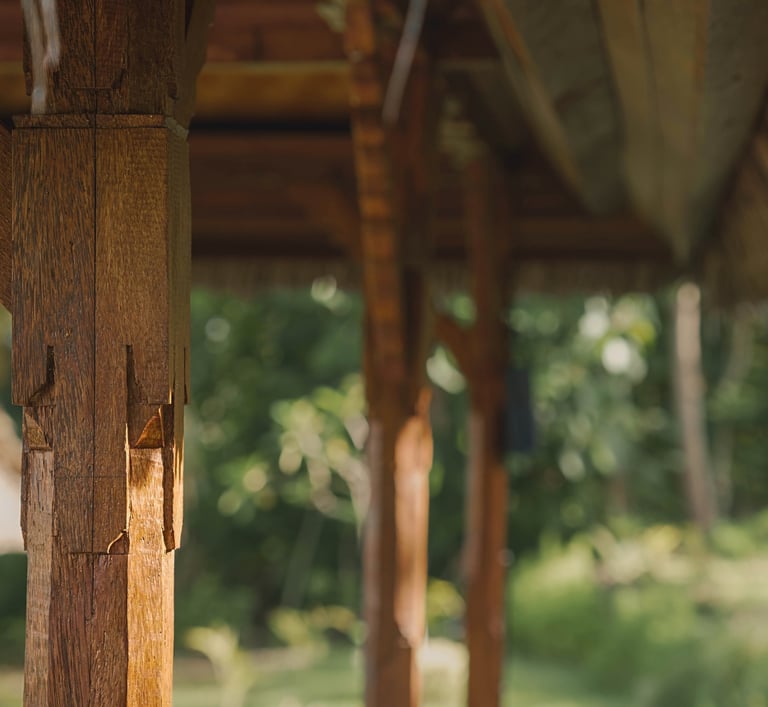
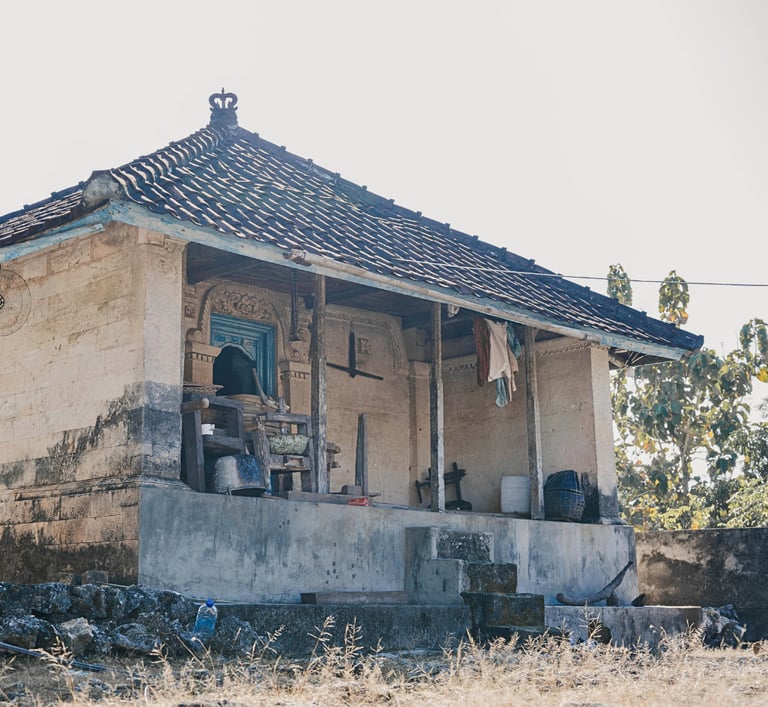
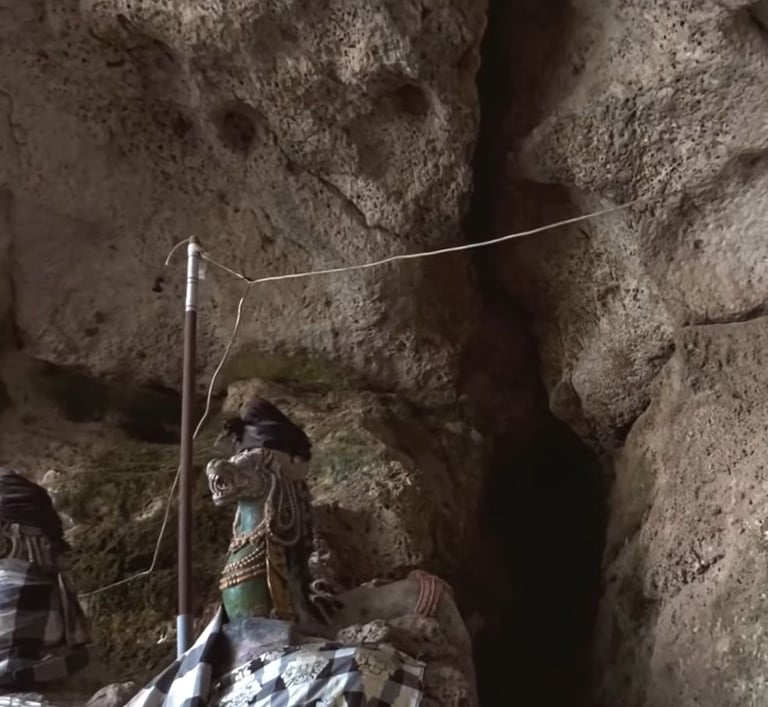
What Responsible Travel Looks Like in Nusa Penida
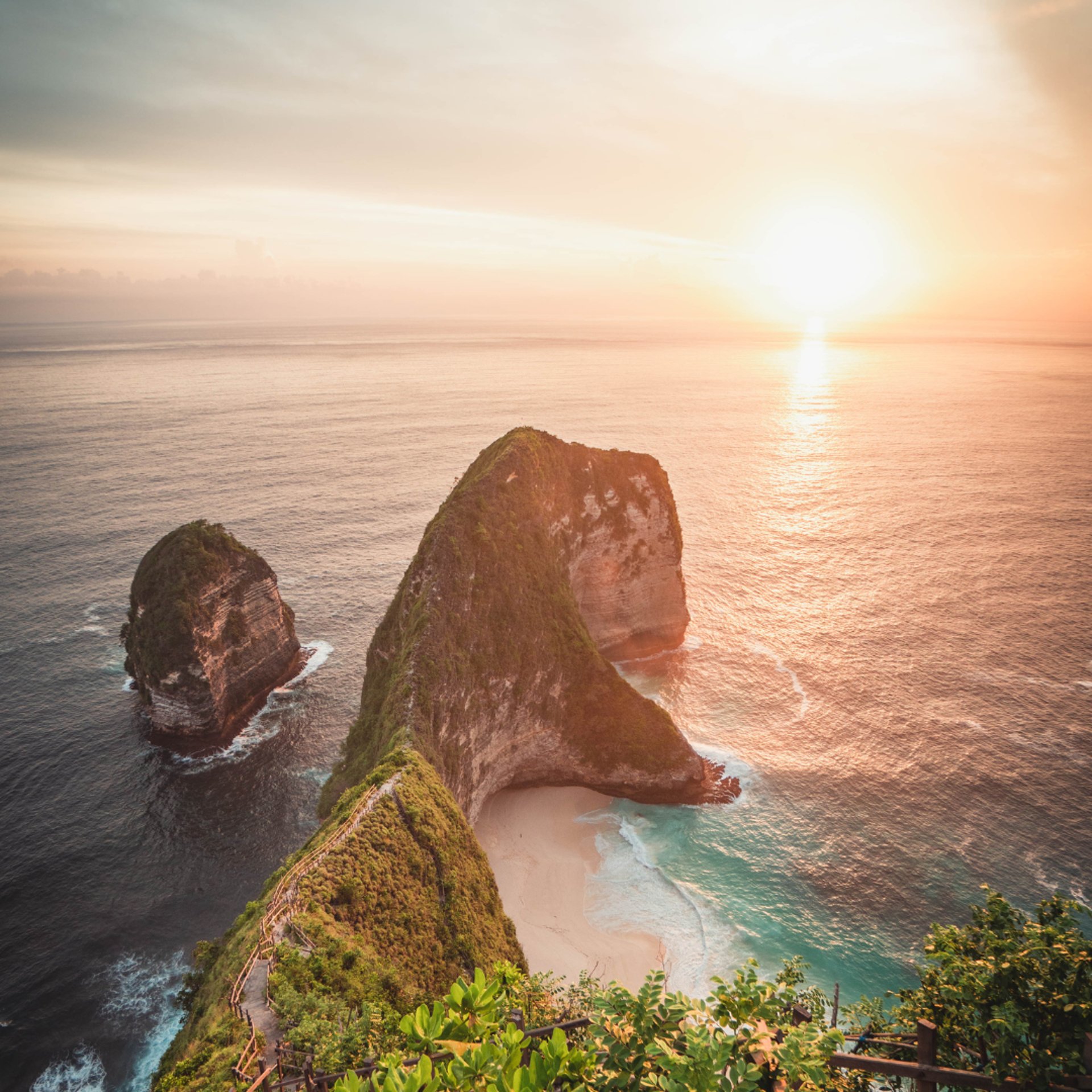
In Nusa Penida, responsible travel can take many forms.
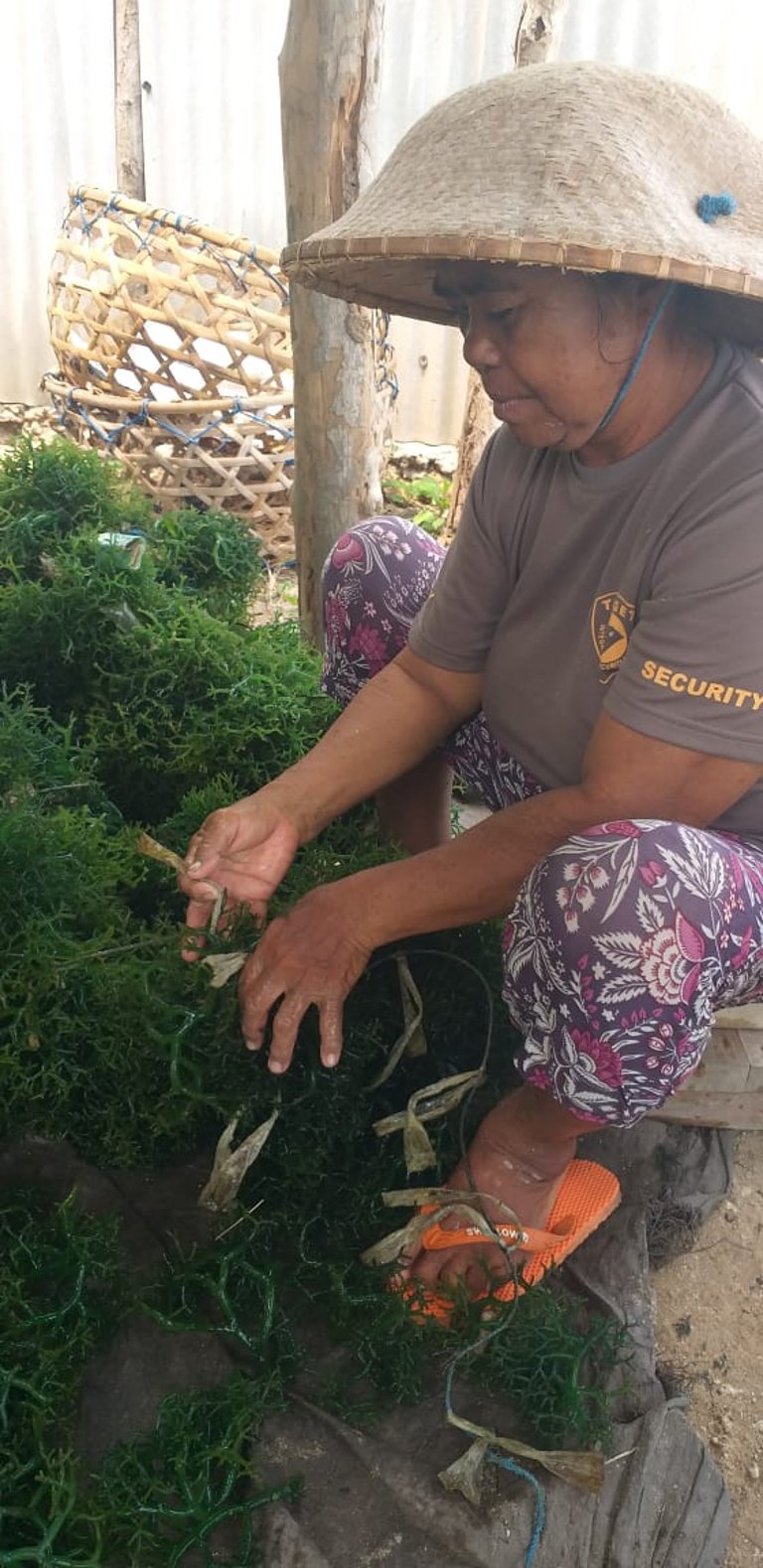
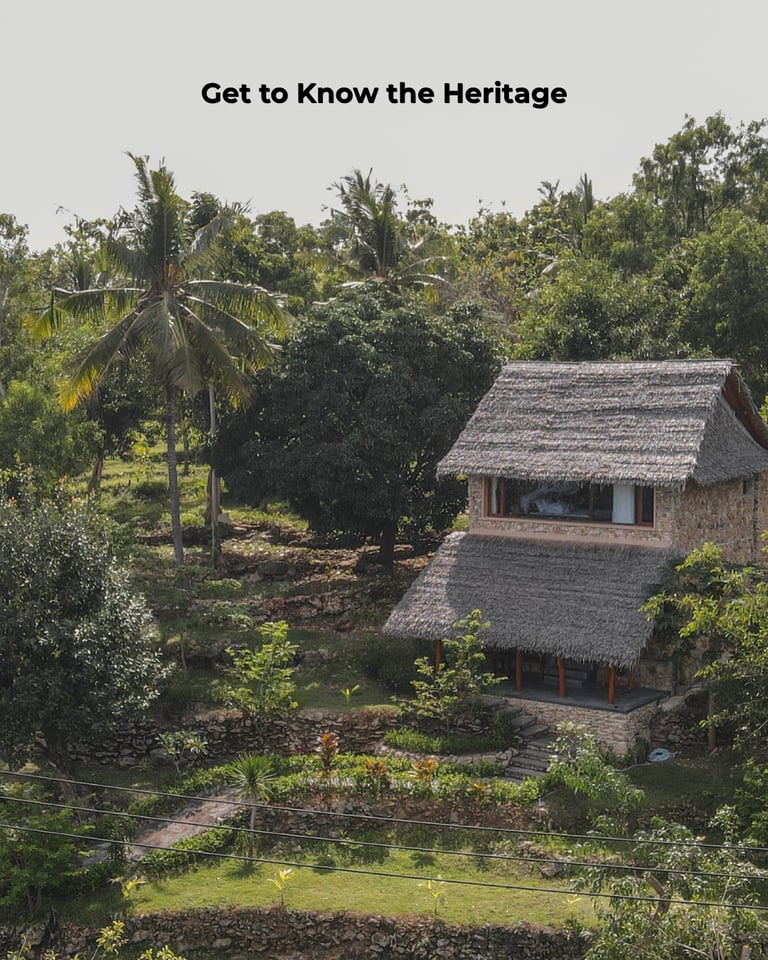
It may involve supporting locally owned businesses, learning about traditional architecture, participating in cultural activities, choosing sustainable tourism providers, or spending time understanding the island beyond its famous viewpoints.
These experiences create a deeper appreciation for the destination while helping local communities preserve the traditions and environments that make Nusa Penida unique.
Protecting What Makes Places Special
The landscapes of Indonesia are extraordinary.
From tropical forests and coral reefs to remote islands and traditional villages, each destination offers something worth protecting. As tourism continues to grow, preserving these places becomes increasingly important. Responsible tourism encourages a balance between welcoming visitors and safeguarding the natural and cultural assets that define each destination. The goal is not simply to attract more travelers but to ensure tourism remains beneficial for generations to come.
A Different Way to Experience Nusa Penida
At Kumanusa, we believe meaningful travel begins with connection.
Connection to local culture. Connection to heritage. Connection to the natural beauty of the island.
Through experiences that celebrate traditional architecture, local traditions, village life, and authentic hospitality, we hope to encourage a deeper understanding of Nusa Penida beyond its famous landmarks. Because the future of tourism is not only about seeing beautiful places. It is about helping preserve them.
Travel With Purpose
Indonesia's decision to end elephant riding reflects a broader evolution in tourism—one that values respect, education, conservation, and responsibility. As travelers, the choices we make help shape the future of the destinations we visit. By supporting experiences that protect nature, celebrate culture, and respect local communities, we contribute to a tourism industry that benefits everyone.
And perhaps that is the most meaningful journey of all: leaving a place not only with great memories, but knowing our visit helped preserve what made it special in the first place.
Source
Indonesia's Ministry of Forestry directive ending elephant riding nationwide (2025/2026 implementation).
Coverage from wildlife welfare organizations documenting the transition toward observation-based tourism.
Reporting on the rollout across Bali and Indonesian tourism facilities.
Your Island Escape Awaits—Talk to Us
We’re here to help! Whether you need more details about our accommodations, restaurant, or tours, feel free to reach out. Send us a message on WhatsApp, drop us an email. We’d love to hear from you and make your Nusa Penida experience unforgettable!
Aloka Penida's contact :
+62 877-7670-6876
alokapenida@gmail.com
© 2025. All rights reserved.
Umah Ilu's contact :
+62 852-3709-6589
umahilu@gmail.com