
Legends and Folklore of Nusa Penida: The Stories That Shaped the Island
For generations, local communities have passed down legends explaining how the island was formed, who first settled here, why certain places became sacred, and how powerful spiritual figures came to protect the land.
7/4/20265 min read

Legends and Folklore of Nusa Penida: The Stories That Shaped the Island
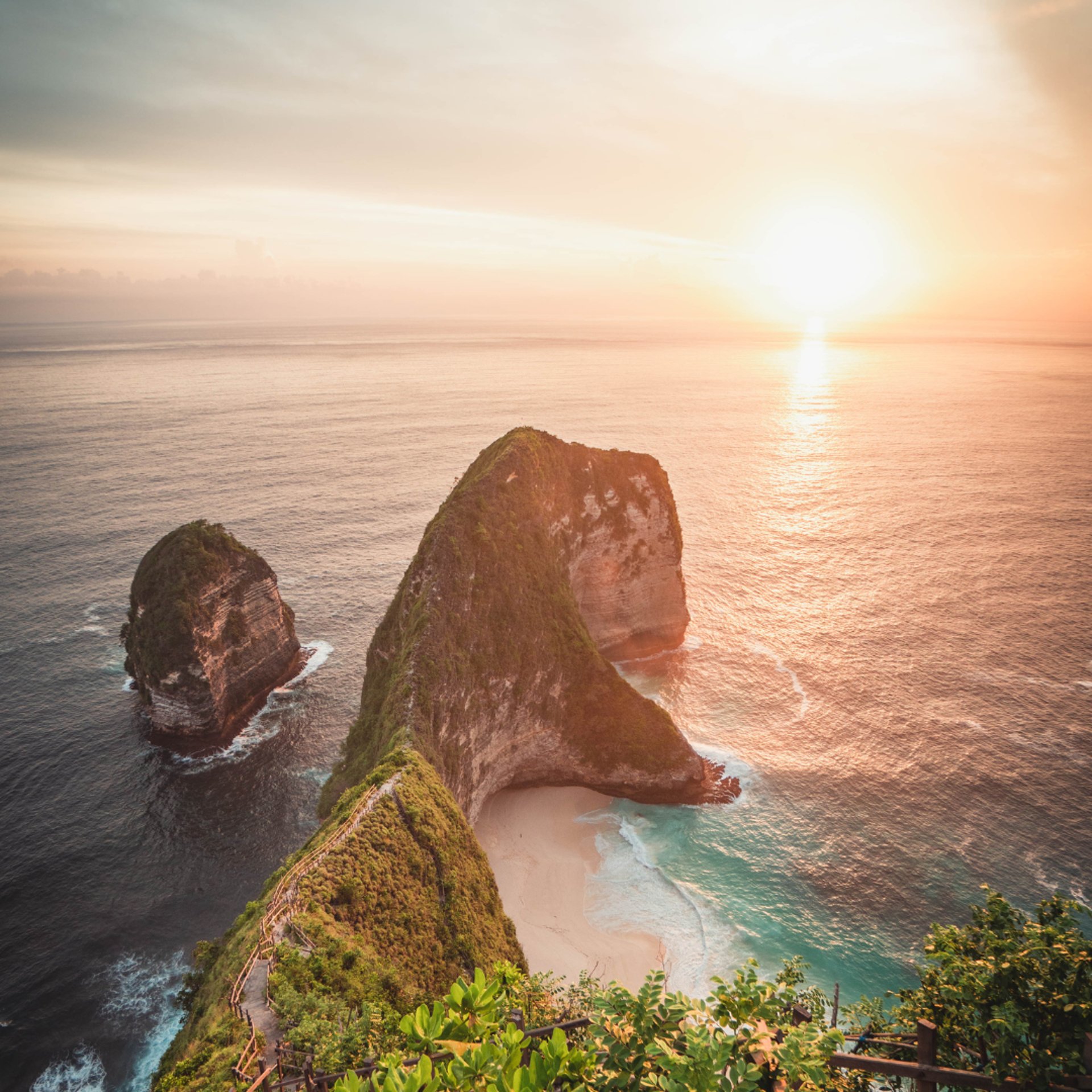
When most travelers think of Nusa Penida, they picture dramatic cliffs, turquoise waters, and famous landmarks such as Kelingking Beach and Diamond Beach. These breathtaking landscapes have made the island one of Indonesia's most popular destinations, attracting visitors from around the world.
Yet long before tourism arrived, before roads connected villages, and before fast boats crossed the Badung Strait every day, Nusa Penida was already known for something else. It was an island of stories.
For generations, local communities have passed down legends explaining how the island was formed, who first settled here, why certain places became sacred, and how powerful spiritual figures came to protect the land. These stories are more than folklore—they are part of Nusa Penida's cultural identity and continue to influence ceremonies, temples, and traditions today.
Understanding these legends allows visitors to see the island through a different perspective. The cliffs become more than geological formations, temples become more than beautiful architecture, and villages become living guardians of traditions that have survived for centuries.
Why Folklore Matters in Nusa Penida
Across Bali and Nusa Penida, history is often shared through oral traditions. Long before books and digital records, stories were passed from one generation to the next by priests, elders, and families. Some stories explain the origins of mountains, rivers, and villages. Others teach moral lessons or describe the relationship between humans, nature, and the spiritual world.
Whether understood as mythology, sacred history, or cultural tradition, these stories continue to shape how local communities understand the island.
For visitors, learning these legends adds a deeper dimension to every journey.
The Beginning of Nusa Penida
According to local tradition, the story of Nusa Penida begins in Saka Year 50 (around 129 AD).
It is believed that the Hindu deity Shiva, together with Goddess Uma, descended upon Mount Mundhi with their followers. There, Shiva transformed into a human priest known as Dukuh Jumpungan, while Goddess Uma became Ni Puri. Their arrival marked the beginning of human life on the island according to local legend.
The name Nusa Penida itself is said to have evolved from the phrase "Manusa Pandita"—meaning a human priest. Over generations, the words gradually transformed into the name used today. While historians may interpret the island's origins differently, this legend remains an important part of Nusa Penida's cultural heritage.
The Sacred Boat of Dukuh Jumpungan
One of the most fascinating stories tells of Dukuh Jumpungan's extraordinary boat.
Legend says that, through meditation, he created a magnificent vessel using divine power. The boat was believed to possess immense strength, capable of destroying anything it touched.
Rather than symbolizing conquest, the boat represents wisdom, spiritual power, and humanity's close relationship with the sea—an important theme for an island community whose life has always been connected to the ocean.
Interestingly, the Umah Ilu book also notes that the modern design of Sanur Harbour draws inspiration from this legendary boat, connecting ancient storytelling with present-day travel to Nusa Penida.
I Renggan and the Birth of Three Islands
Among all the legends of Nusa Penida, few are as dramatic as the story of I Renggan.
Gifted with great spiritual power by his grandfather Dukuh Jumpungan, I Renggan became an exceptionally powerful figure. However, pride led him to test his strength by steering the sacred boat into the island itself. According to the legend, the impact split the original island into two landmasses.
The larger southern island became what is now Nusa Penida, while the smaller northern island became Nusa Cenik, which was later separated again into Nusa Lembongan and Nusa Ceningan. Today, the channel known as Loloan Penida is traditionally associated with this legendary event. Whether viewed as mythology or symbolism, the story reflects how local communities explain the unique geography of the Nusa Islands.
The Legend of Ratu Gede Mecaling
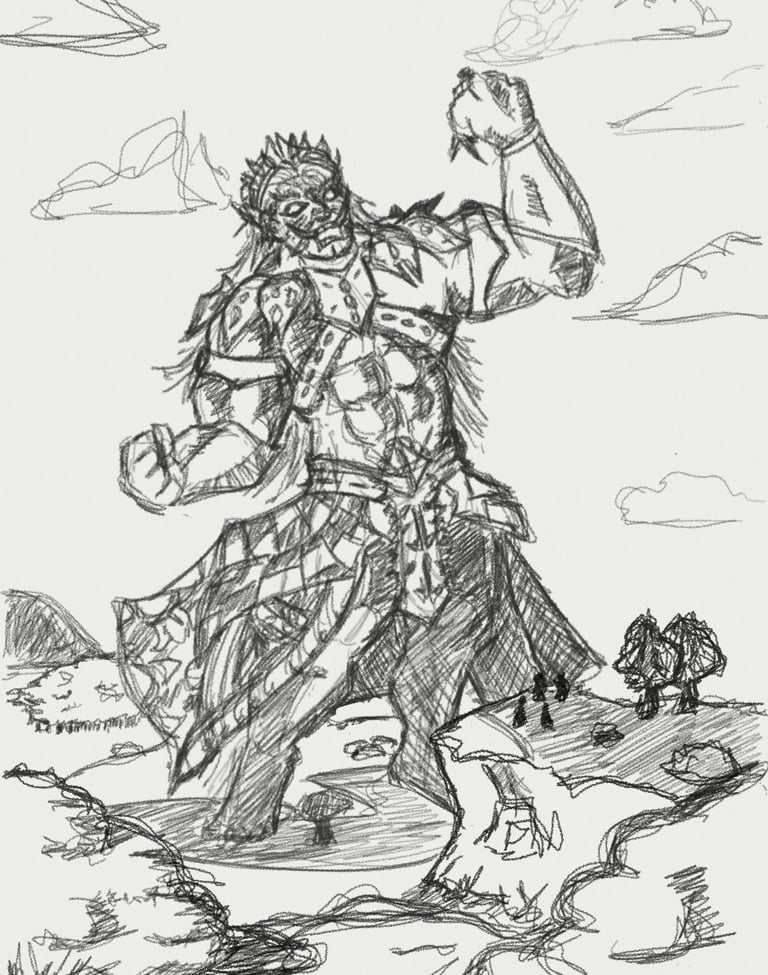
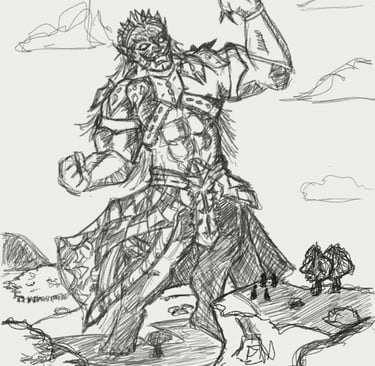
No discussion of Nusa Penida folklore is complete without Ratu Gede Mecaling.
Perhaps the island's most well-known legendary figure, he is regarded not simply as a frightening character but as a powerful guardian within Balinese spiritual tradition.
According to the Umah Ilu book, I Gede Mecaling was the son of I Renggan. Through years of meditation and devotion, he received extraordinary spiritual power from Shiva, transforming into a fearsome being whose strength shook both the human and divine worlds. The gods eventually intervened, and the deity Indra succeeded in removing Mecaling's powerful fangs, restoring balance to the world. Rather than ending his story, this marked a new chapter.
Mecaling returned to meditation and later received blessings from Rudra. Together with an army of Wong Samar, he became the spiritual protector of Nusa Penida, a role many local people continue to associate with him today. His story reminds us that strength is not only about power, but also about responsibility, transformation, and protecting what is sacred.
Sacred Places Connected to the Legends
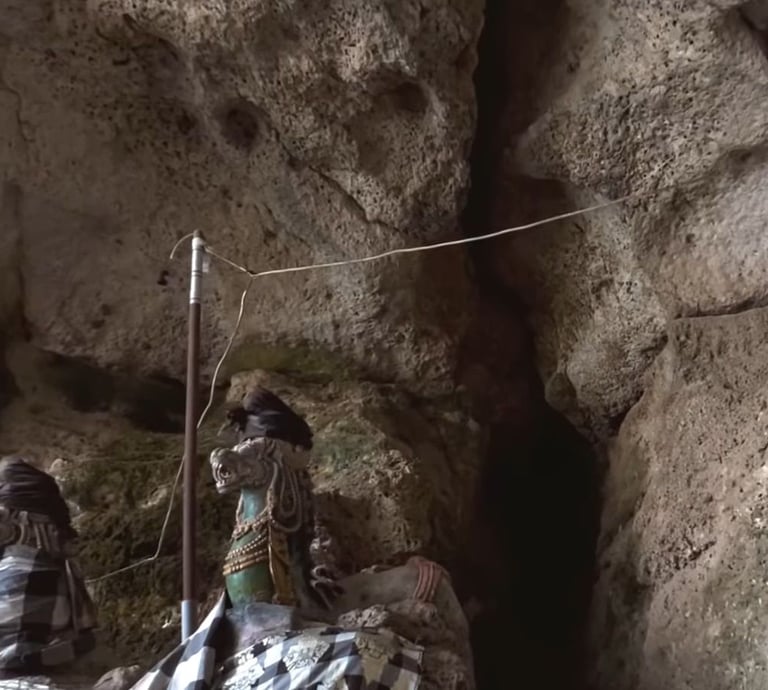
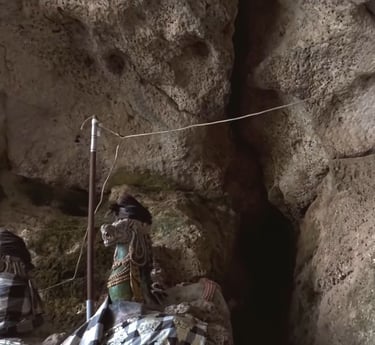
One remarkable aspect of Nusa Penida's folklore is that many legendary events are connected to real locations that visitors can still explore today.
These include:
Mount Mundhi, where Dukuh Jumpungan is believed to have descended.
Pura Puncak Mundi, an important spiritual site linked to the island's earliest legends.
Pura Batu Melawang and Pura Batu Banglas, associated with Ni Puri and Ni Luna.
Pura Dalem Ped, one of Nusa Penida's most significant temples and closely connected to the story of Ratu Gede Mecaling.
Devil's Tears on Nusa Lembongan, which local tradition links to the remains of I Renggan's legendary boat.
These places are more than tourist attractions—they remain meaningful sites for local communities and religious ceremonies.
Folklore as Living Heritage
Unlike myths that exist only in books, the folklore of Nusa Penida continues to influence everyday life. Ceremonies are still held at ancient temples. Families continue to share these stories with younger generations. Traditional beliefs remain closely connected to the island's identity. For many local residents, these legends are not simply tales from the past but living traditions that help explain the relationship between people, nature, and spirituality.
Discovering the Stories Behind the Island
At Kumanusa, we believe every destination has two histories. One is written in maps, historical records, and timelines. The other lives through stories shared by communities over generations. Through the preservation of traditional houses at Umah Ilu Island Retreat and our commitment to celebrating Nusa Penida's cultural heritage, we hope to introduce visitors to both. Because understanding the legends of Nusa Penida allows you to experience more than beautiful scenery—you begin to understand the soul of the island.
Travel Beyond the Guidebooks
The next time you stand on a cliff overlooking the ocean, visit an ancient temple, or walk through a traditional village, remember that these places are connected by stories that have endured for centuries. Whether you see them as folklore, mythology, or cultural history, they remain an inseparable part of what makes Nusa Penida unique. Travel becomes more meaningful when we understand not only where we are, but also the stories that shaped the place long before we arrived.
Your Island Escape Awaits—Talk to Us
We’re here to help! Whether you need more details about our accommodations, restaurant, or tours, feel free to reach out. Send us a message on WhatsApp, drop us an email. We’d love to hear from you and make your Nusa Penida experience unforgettable!
Aloka Penida's contact :
+62 877-7670-6876
alokapenida@gmail.com
© 2025. All rights reserved.
Umah Ilu's contact :
+62 852-3709-6589
umahilu@gmail.com